
"Natural whole food Vitamin D" Supplements
In the modern wellness landscape, more families are moving away from chemical isolates and toward the sun-drenched power of nature. When you choose “Natural whole food Vitamin D”, you are opting for a nutrient profile that your body recognizes and absorbs with ease. This article explores the most effective “Non-synthetic Vitamin D supplements” that prioritize purity, sustainability, and “Organic Vitamin D for kids and adults”. Whether you are seeking a “Plant-based Vitamin D3 vegan” source or a fermented whole-food complex, these 10 brands represent the gold standard in clean, earth-friendly nutrition.
Garden of Life Whole Food Vitamin D
Garden of Life has revolutionized the supplement industry with their mykind Organics line, co-formulated with Alicia Silverstone. This “Natural whole food Vitamin D” is uniquely sourced from lichen-extract rather than sheep’s wool (lanolin). By avoiding chemical binders, they developed a “Clean Tablet Technology” using organic gum arabic and sunflower lecithin. Each tablet is a concentrated blend of over 30 organic fruits and vegetables, providing bioactive food-state nutrients that support holistic bone health support. As a B-Corp certified company, they prioritize carbon-neutral manufacturing and eco-friendly packaging, making them a favorite for eco-conscious households.
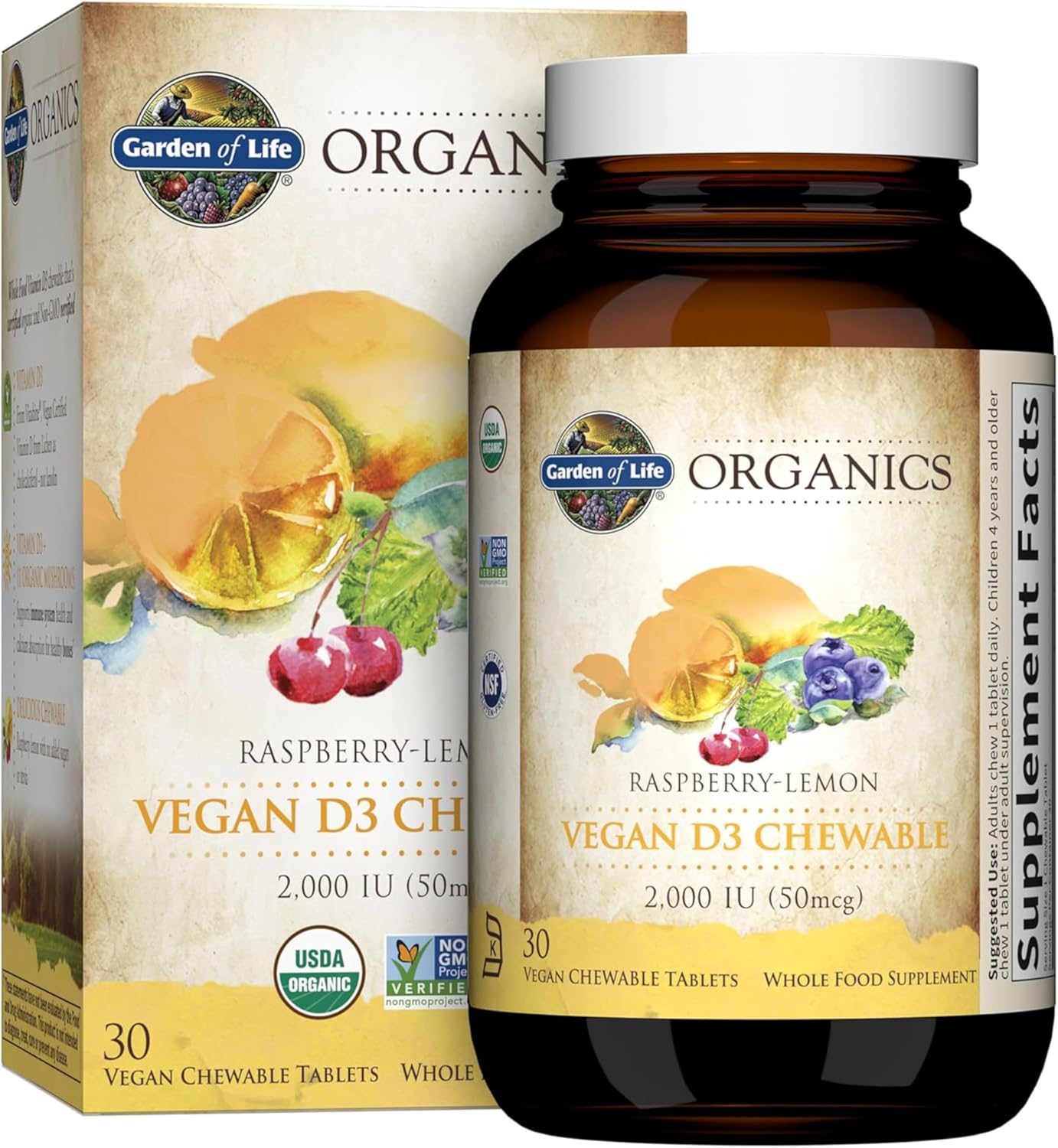

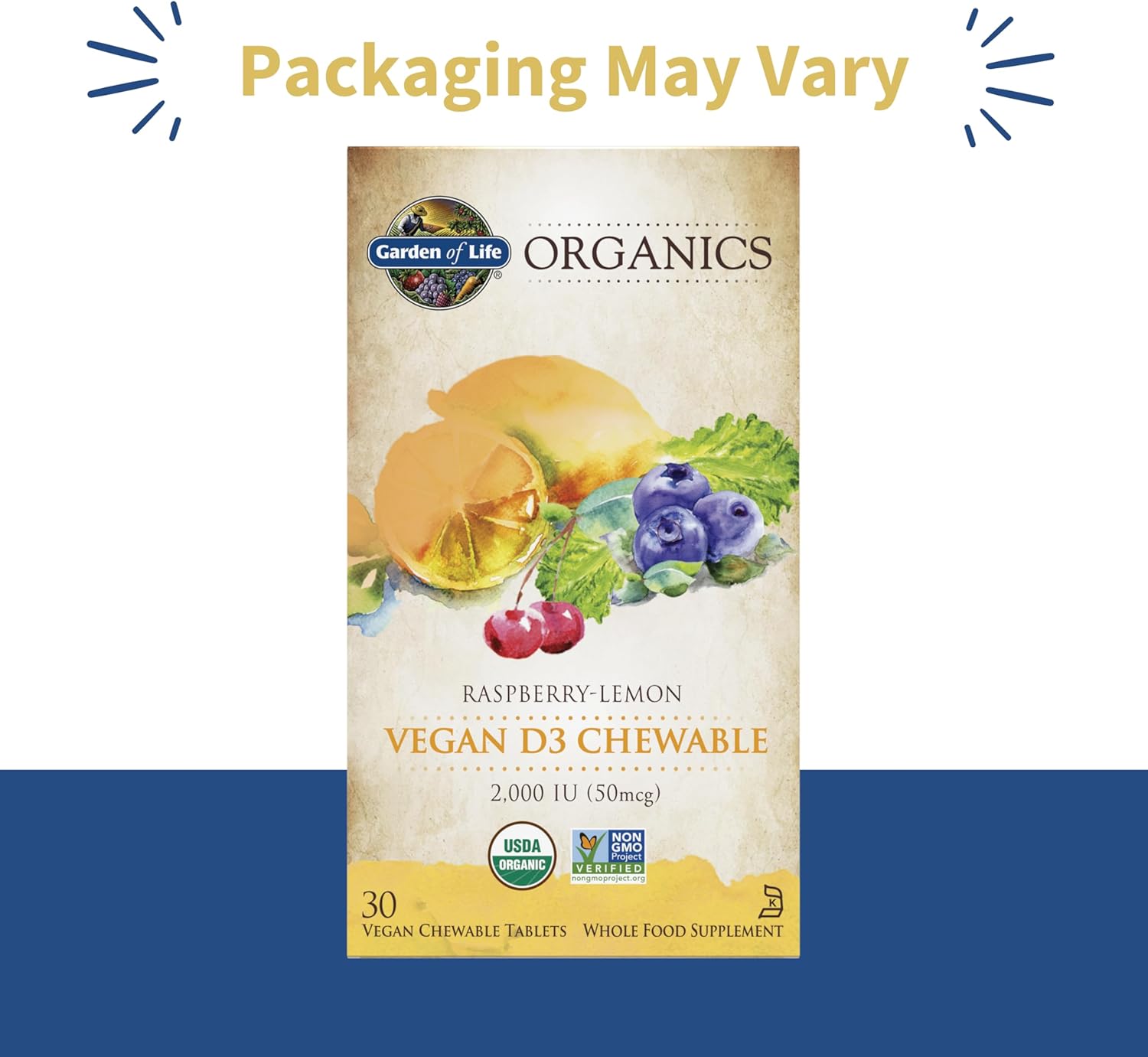



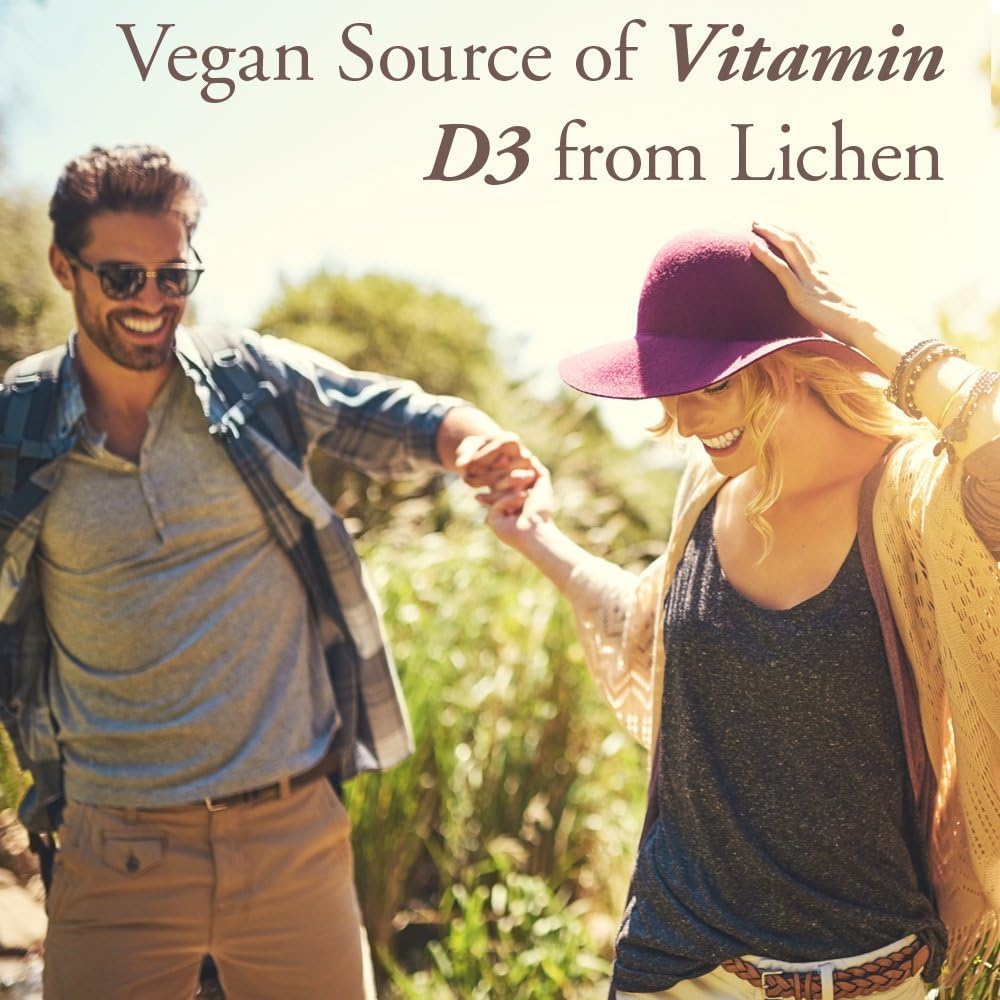


Key Features: 2,000 IU of Vegan D3 per serving, no magnesium stearate.
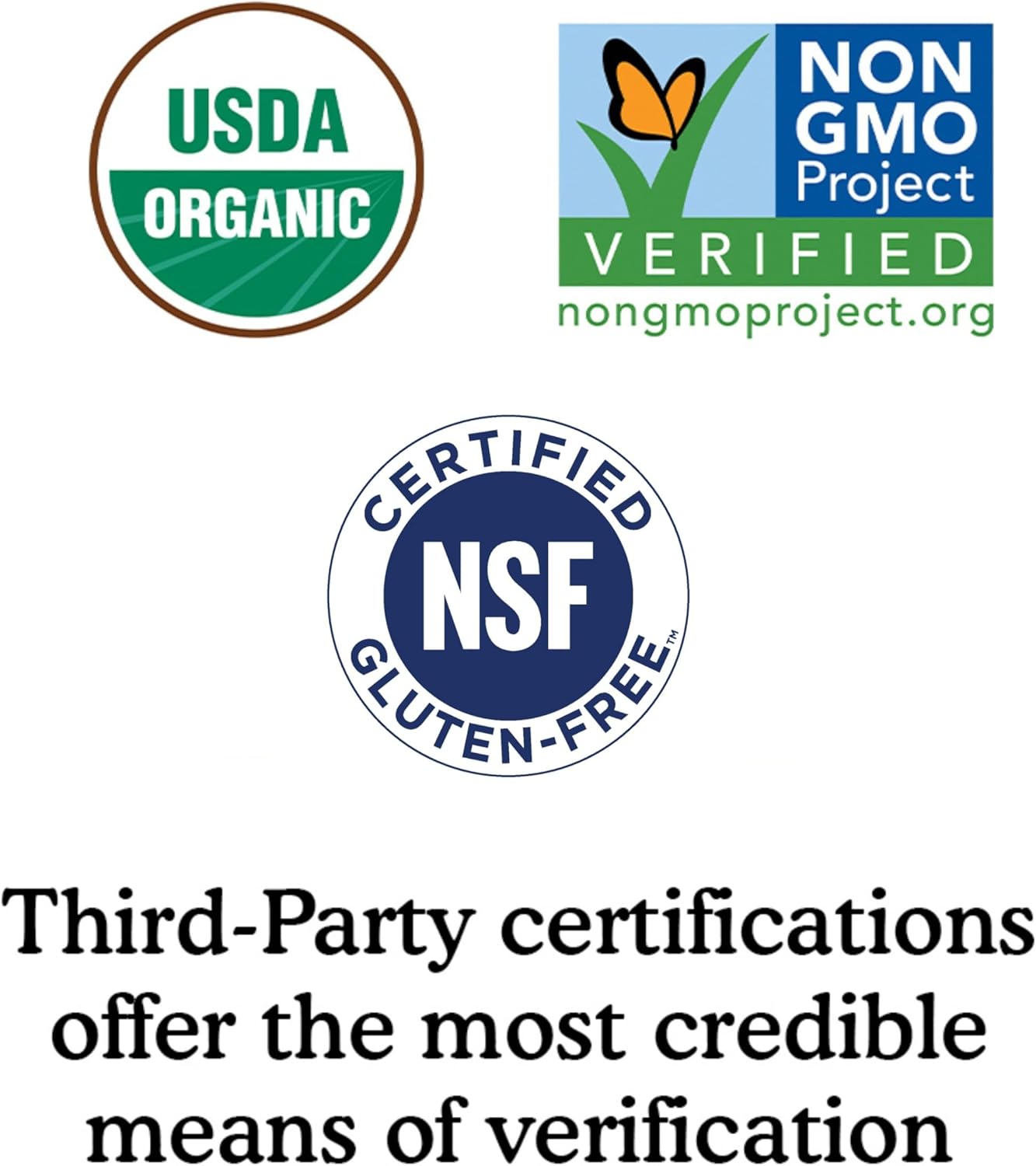
Certifications: USDA Organic, Non-GMO Project Verified, Certified Vegan.
Best For: Adults and seniors looking for a clean, whole-food tablet.
- USDA Organic Certified
- Non-GMO Project Verified
- Certified NSF Gluten Free
- Vegan
- No Synthetic Additives

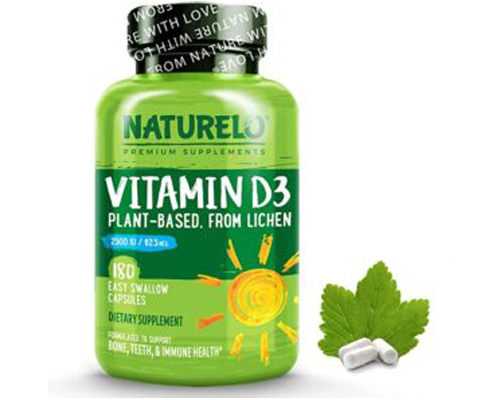
NATURELO Plant Based Vitamin D
100% Pure lives up to its name by offering some of the most transparent and chemical-free lipsticks in the natural beauty market. This brand prioritizes whole, food-grade ingredients like organic fruit seed oils and butters, ensuring a truly natural lipstick experience. Their lipsticks are a treat for the senses, often boasting delicious scents derived from natural extracts.
100% Pure isn’t shy about their commitment to clean beauty. They proudly avoid a long list of questionable ingredients, including parabens, sulfates, and artificial fragrances. Their focus on whole, food-grade ingredients prioritizes a natural approach to lip color.


Moisture is a key focus for 100% Pure lipsticks. Their formulas are packed with nourishing oils like pomegranate seed oil and avocado oil, keeping lips soft and hydrated. They offer a variety of finishes and shades, from sheer tints to bold pops of color. If you’re looking for a natural lipstick that prioritizes transparency, clean ingredients, and a delicious, food-grade experience, 100% Pure is a brand worth exploring.
- Cruelty Free
- Non-Toxic
- Vegan
- Ethical Sourcing
- Thoughtful Packaging
- Palm, Gluten Free
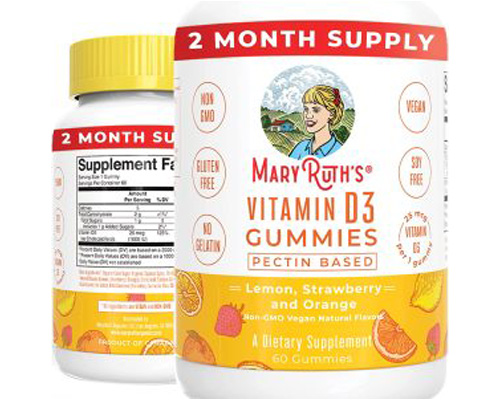
MaryRuth Organics Vitamin D
100% Pure lives up to its name by offering some of the most transparent and chemical-free lipsticks in the natural beauty market. This brand prioritizes whole, food-grade ingredients like organic fruit seed oils and butters, ensuring a truly natural lipstick experience. Their lipsticks are a treat for the senses, often boasting delicious scents derived from natural extracts.
100% Pure isn’t shy about their commitment to clean beauty. They proudly avoid a long list of questionable ingredients, including parabens, sulfates, and artificial fragrances. Their focus on whole, food-grade ingredients prioritizes a natural approach to lip color.

Moisture is a key focus for 100% Pure lipsticks. Their formulas are packed with nourishing oils like pomegranate seed oil and avocado oil, keeping lips soft and hydrated. They offer a variety of finishes and shades, from sheer tints to bold pops of color. If you’re looking for a natural lipstick that prioritizes transparency, clean ingredients, and a delicious, food-grade experience, 100% Pure is a brand worth exploring.
- Cruelty Free
- Non-Toxic
- Vegan
- Ethical Sourcing
- Thoughtful Packaging
- Palm, Gluten Free
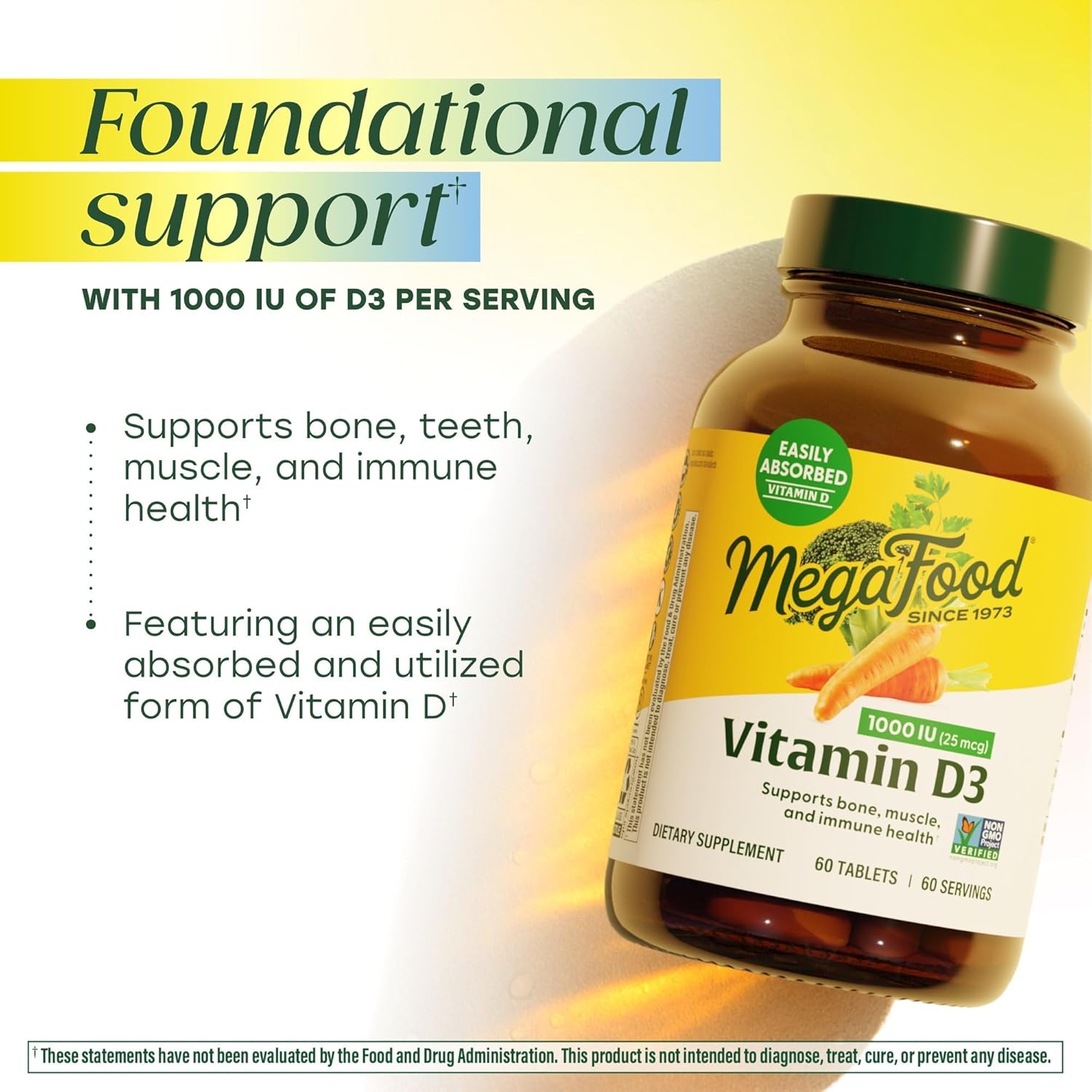
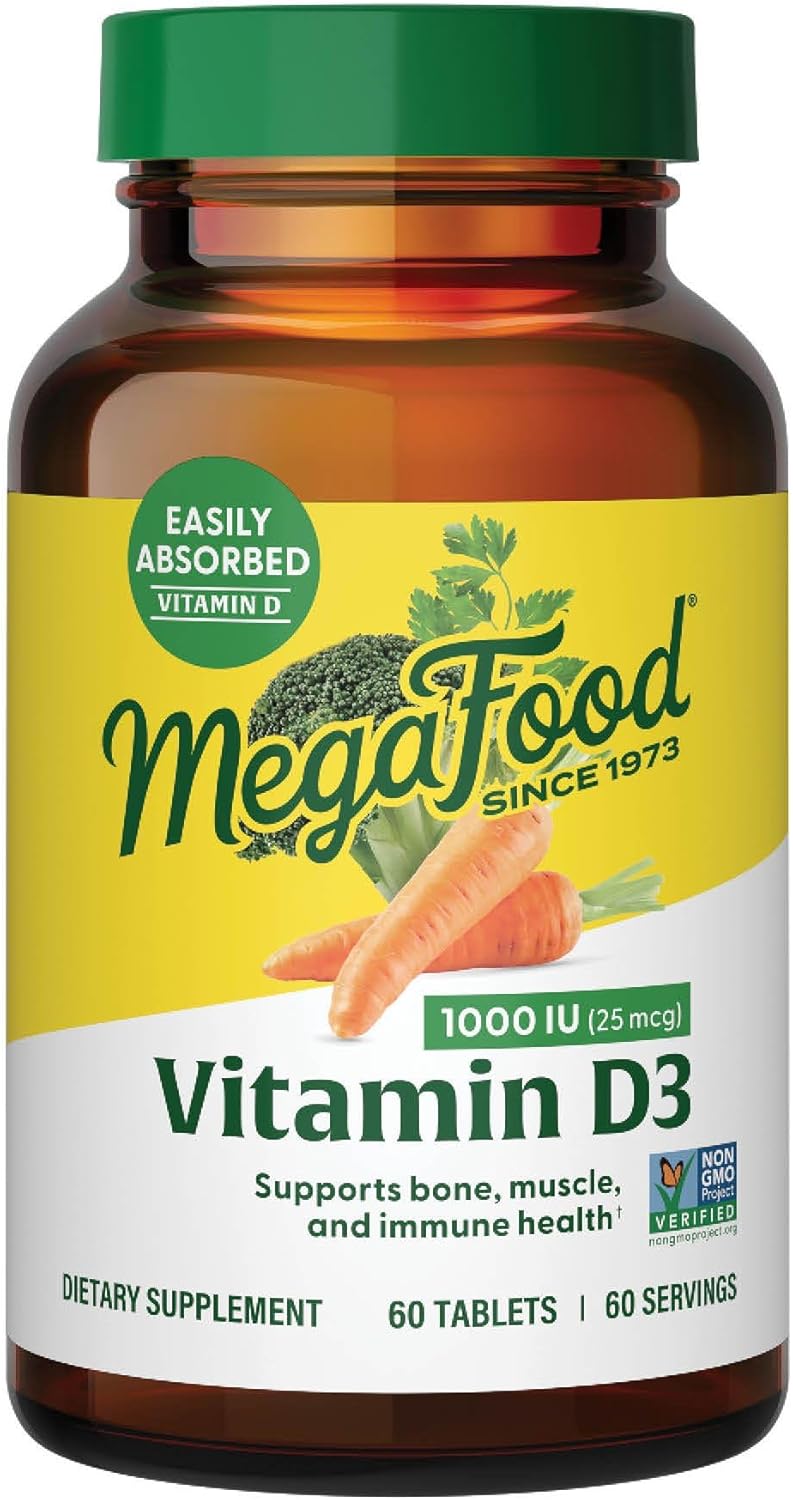
Megafood Vitamin D
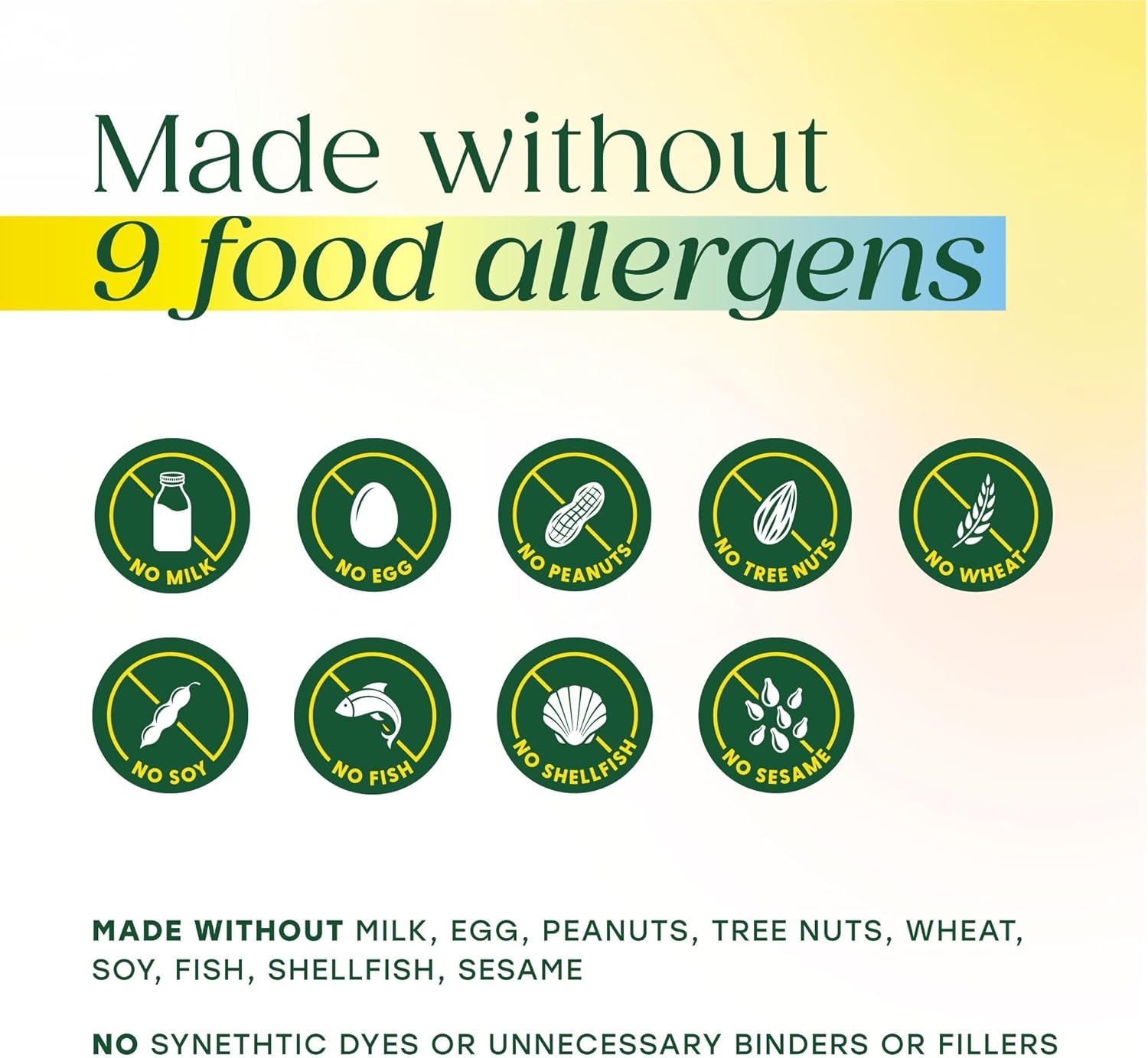
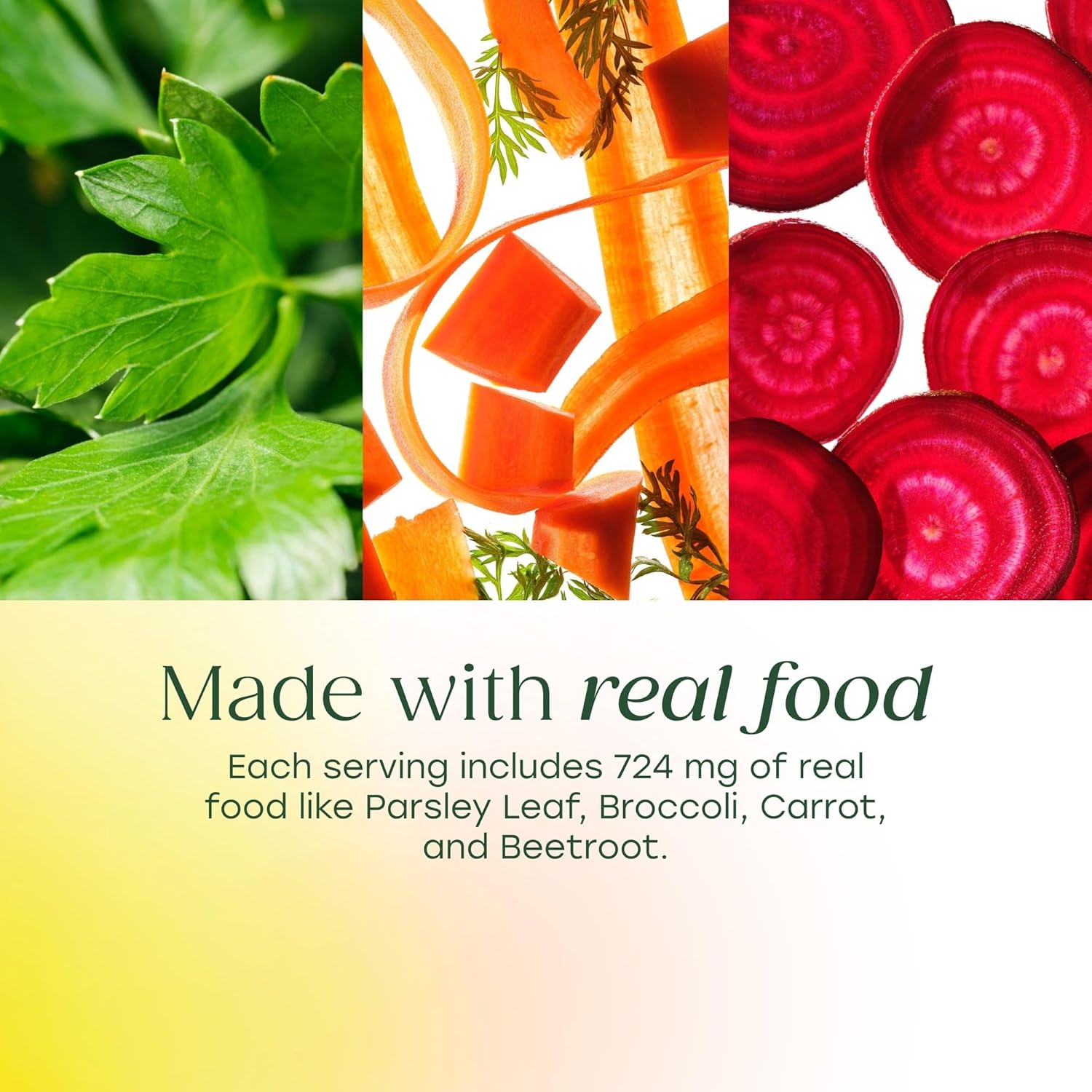
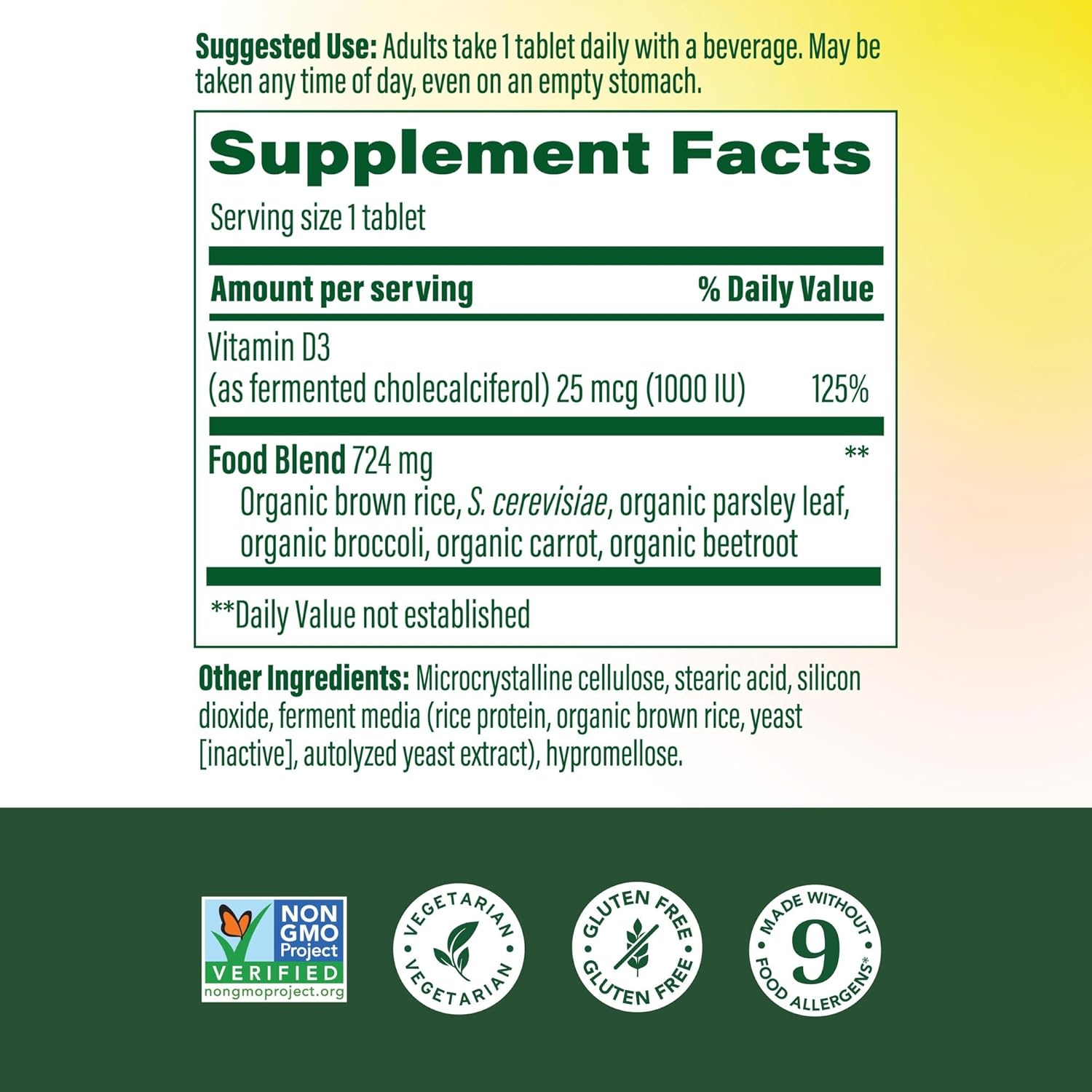
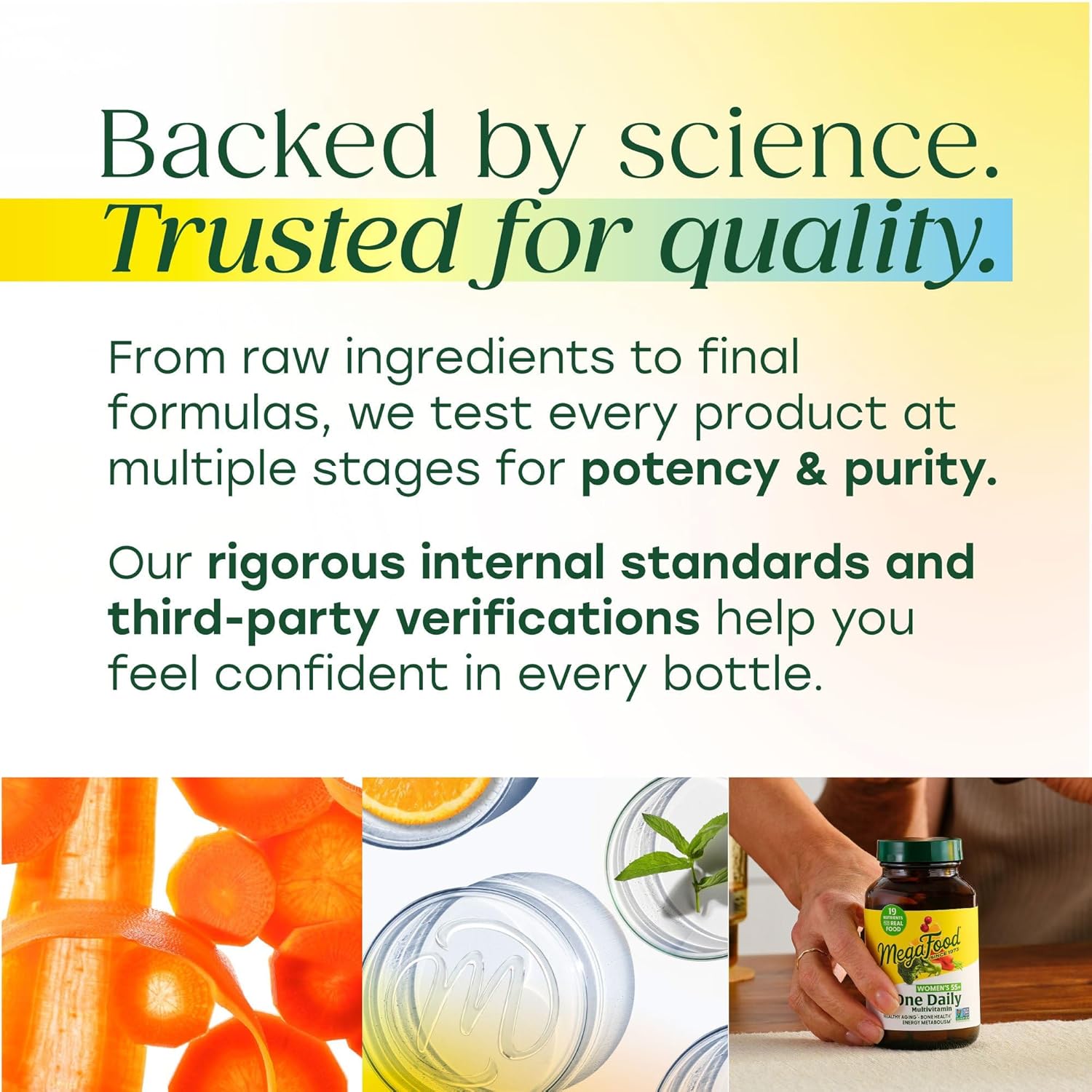
MegaFood is a pioneer in traceable ingredient sourcing, having spent decades perfecting the art of bonding “Natural whole food Vitamin D” with real food through fermentation. They utilize S. cerevisiae (nutritional yeast) to deliver D3 alongside organic broccoli and brown rice, allowing the body to process the supplement as food. This B-Corp certified brand is strictly glyphosate-residue free, protecting users from common herbicide contaminants. Their “Farm to Tablet” approach ensures that every ingredient can be traced back to a sustainable family farm, supporting holistic bone health support through regenerative agriculture practices.
Key Features: Fermented whole-food delivery, gentle on the stomach.
Certifications: B-Corp, Non-GMO Project Verified, Certified Vegan.
Best For: Seniors and those with sensitive digestion.







Cultivating Wellness: Embracing Non-Toxic Vegan Whole Food Vitamin D for Optimal Health
Non-toxic vegan whole food sources of vitamin D offer several advantages over synthetic vitamin D supplements. These advantages stem from the natural, balanced, and nutrient-rich nature of whole foods. Here are some of the benefits:
- Bioavailability and Nutrient Synergy: Whole food sources of vitamin D provide a complex of nutrients that work together synergistically. These co-factors, such as other vitamins, minerals, and phytonutrients, enhance the absorption and utilization of vitamin D, leading to better overall health.
- Balanced Nutrient Profile: Whole foods contain a variety of essential nutrients beyond vitamin D, contributing to a well-rounded and balanced diet. This promotes optimal health and reduces the risk of nutrient imbalances.
- No Risk of Overdose: Obtaining vitamin D from whole foods reduces the risk of overdosing, as your body is more likely to regulate its absorption and utilization of nutrients. Synthetic supplements can lead to accidental overdose if taken in excess.
- Natural Form of Vitamin D: Whole food sources provide vitamin D in its natural form, typically as vitamin D2 from plant sources or when animals have been exposed to sunlight. This form is generally less likely to cause imbalances or adverse effects compared to synthetic forms.
- Gentle on the Body: Whole food sources are often gentler on the body compared to concentrated synthetic supplements. This is especially important for individuals with sensitivities or digestive issues.
- Long-Term Health Benefits: Relying on whole foods for vitamin D intake aligns with a broader healthy eating pattern, potentially reducing the risk of chronic diseases like heart disease, diabetes, and certain cancers.
- Sustainability and Environmental Impact: Choosing plant-based whole food sources of vitamin D supports sustainable agricultural practices and minimizes the environmental impact associated with supplement manufacturing.
- Positive Psychological Impact: Consuming a diet rich in whole foods can contribute to improved psychological well-being and a sense of connection to nature and the environment.
- Cultural and Culinary Diversity: Whole food sources of vitamin D come from a variety of foods, allowing for a diverse range of culinary choices that cater to different tastes and cultural preferences.
- Ethical Considerations: Vegan whole food sources align with ethical considerations related to animal welfare and can support a more compassionate dietary lifestyle.
It’s important to note that while whole food sources of vitamin D have numerous advantages, individual dietary needs may vary. Some individuals may require supplements to meet specific health requirements. Before making any significant dietary changes or supplement choices, it’s advisable to consult with a healthcare professional or registered dietitian who can offer personalized guidance based on your unique health profile and needs.
On the other hand, Synthetic vitamin D supplements, while useful for addressing deficiencies, can have some disadvantages and potential concerns. Here are some disadvantages of synthetic vitamin D:
- Potential Overdose: Taking excessive amounts of synthetic vitamin D supplements can lead to vitamin D toxicity, which can cause a range of symptoms such as nausea, vomiting, weakness, and even more serious health issues like hypercalcemia (high levels of calcium in the blood).
- Lack of Co-Factors: Synthetic supplements may lack the co-factors and other nutrients present in whole foods that aid in the absorption and utilization of vitamin D. For example, vitamin D absorption is influenced by factors such as magnesium, vitamin K, and zinc.
- Absorption Issues: Some individuals may have difficulty absorbing synthetic vitamin D efficiently, especially if they have underlying digestive disorders or other health conditions.
- Unnatural Form: Synthetic vitamin D is often in the form of vitamin D2 (ergocalciferol) as opposed to the more biologically active form, vitamin D3 (cholecalciferol), which is typically derived from animal sources. Vitamin D3 is considered more effective at raising blood levels of vitamin D.
- Incomplete Understanding: The long-term effects of relying solely on synthetic vitamin D supplements are not fully understood, especially in comparison to obtaining vitamin D through natural sources like sunlight or whole foods.
- Quality and Purity Concerns: The quality and purity of synthetic supplements can vary between brands and manufacturers. There have been instances of mislabeling, contamination, or poor-quality control in the supplement industry.
- Dependency: Relying heavily on synthetic supplements might lead to a dependence on them, potentially preventing individuals from seeking healthier sources of vitamin D from sunlight and whole foods.
- Environmental Impact: The production of synthetic supplements can have environmental implications, including energy consumption and waste generation during manufacturing.
- Unnatural Isolation: Synthetic supplements isolate specific nutrients, whereas whole foods provide a combination of vitamins, minerals, and other compounds that work together synergistically for optimal health.
- Missed Nutritional Benefits: Relying on synthetic supplements may lead to missed opportunities to obtain other nutrients and health benefits that come from consuming whole, nutrient-rich foods.
It’s important to note that while synthetic vitamin D supplements have their disadvantages, they can still be valuable tools for addressing deficiencies, especially when natural sources are limited or not accessible. If you’re considering supplementing with vitamin D, it’s recommended to consult with a healthcare professional to determine the appropriate dosage and ensure it aligns with your individual health needs.