
Zero Waste Toothbrush: Natural Bamboo Toothbrushes
Picture this: You’re standing in your bathroom, holding a plastic toothbrush that you’ll use for maybe three months before tossing it into the trash. Now imagine that same toothbrush sitting in a landfill for the next 400 years, long after your great-great-grandchildren have grown old. Unsettling, isn’t it?
Here’s the reality—every single plastic toothbrush you’ve ever used still exists somewhere on this planet. But what if I told you there’s a simple switch you can make today that’s better for your health, your family, and the environment? Enter the “bamboo toothbrush“—a game-changing alternative that’s revolutionizing how we think about our daily oral hygiene routine.
The “eco-friendly toothbrush” movement isn’t just a passing trend; it’s a necessary evolution in how we care for ourselves and our planet. With over 3.6 billion plastic toothbrushes ending up in landfills and oceans annually, switching to a “sustainable toothbrush” made from renewable bamboo isn’t just smart—it’s essential. Whether you’re a parent wanting the best for your children, a young professional making conscious choices, or a grandparent concerned about the world you’re leaving behind, understanding the power of zero waste toothbrush options and plastic-free oral care is your first step toward meaningful change.
Let’s dive deep into why natural bamboo toothbrushes are transforming bathrooms worldwide and how this one small change can create ripples of positive impact for generations to come.
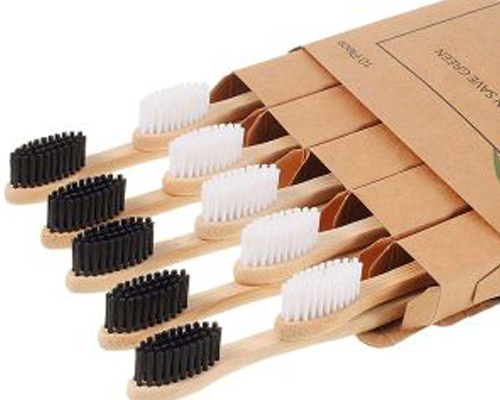

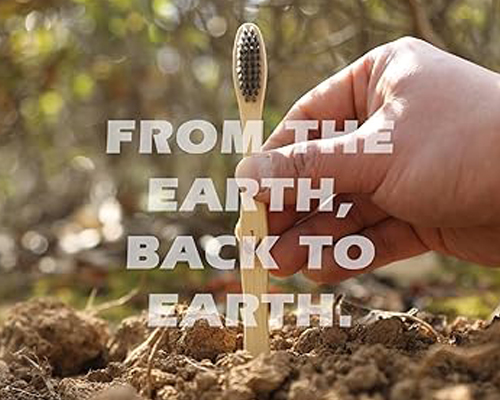

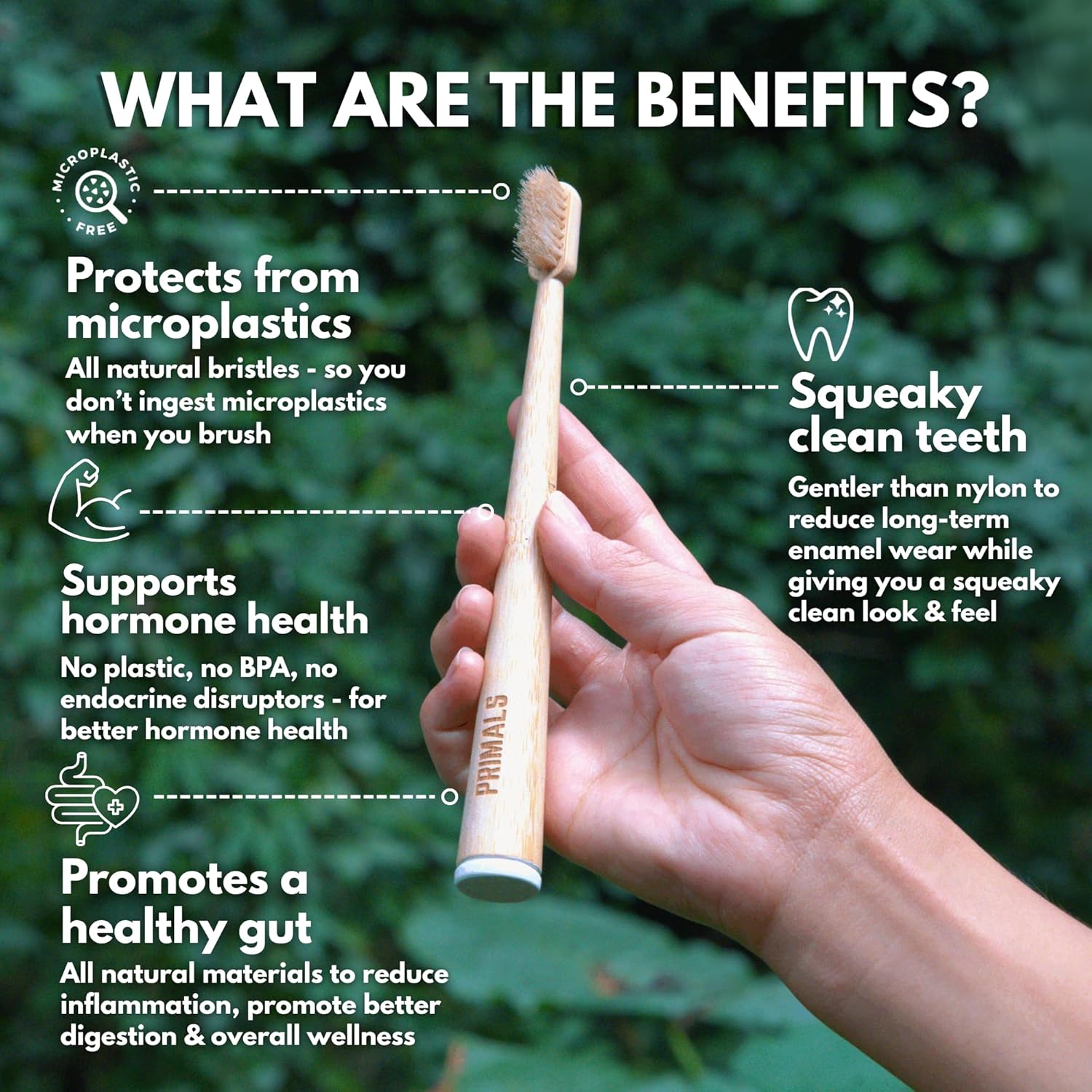

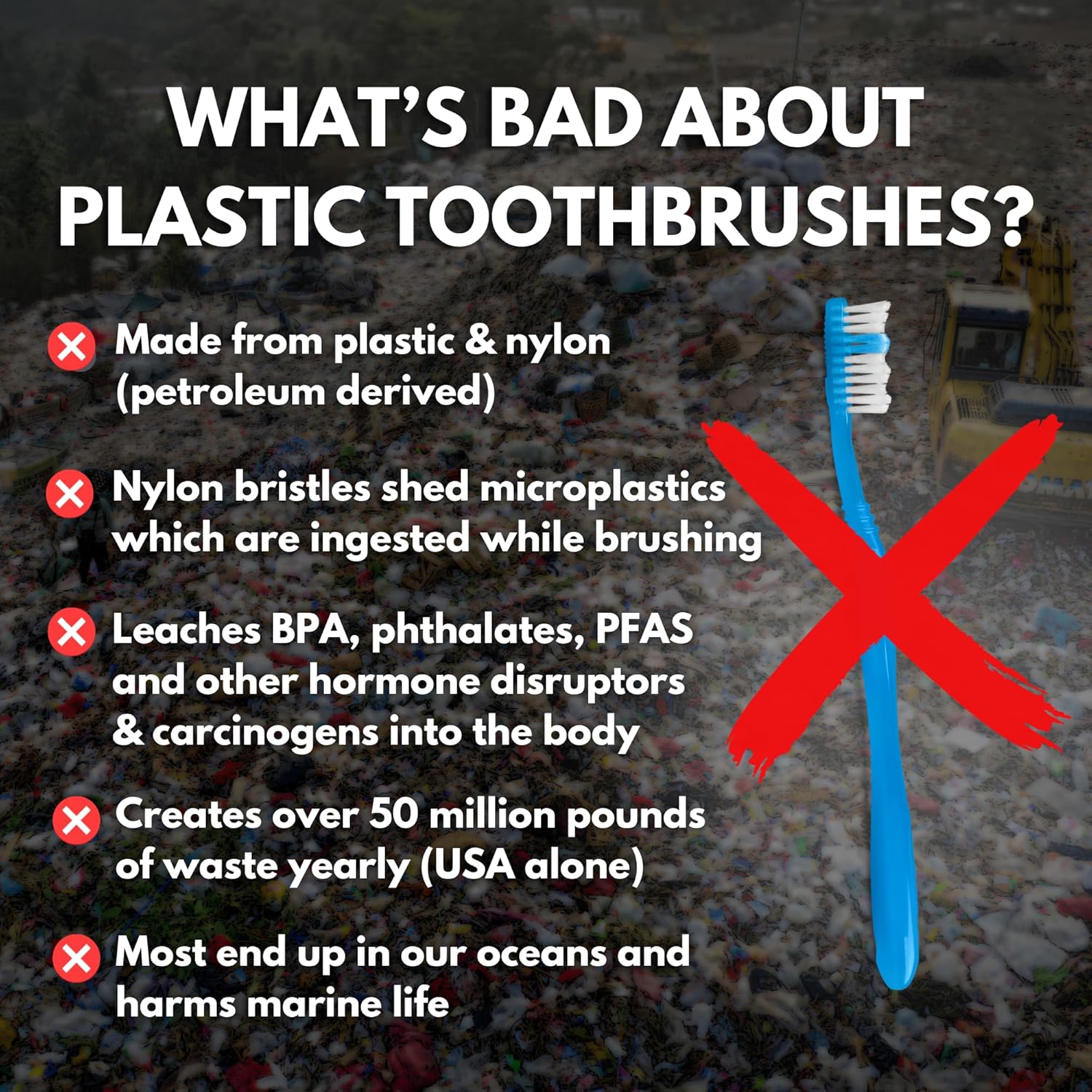




Zero Waste Toothbrush: Understanding the Plastic Crisis in Your Bathroom
Here’s a statistic that should make us all pause: Americans alone throw away over one billion plastic toothbrushes every single year. Stack them end to end, and they’d wrap around the Earth four times. Four times!
The traditional plastic toothbrush sitting in your bathroom cabinet right now is made from a combination of materials—typically polypropylene plastic for the handle and nylon for the bristles. These materials are derived from fossil fuels and are virtually indestructible in nature. When you toss that old toothbrush in the trash, it doesn’t simply disappear. Instead, it begins a 400-year journey through our waste system, eventually breaking down into harmful microplastics that infiltrate our soil, waterways, and even the food chain.
Think about your own toothbrush history for a moment. Dentists recommend replacing your toothbrush every three months, which means you’ve likely used anywhere from 40 to 300+ toothbrushes in your lifetime, depending on your age. Every. Single. One. Still. Exists.
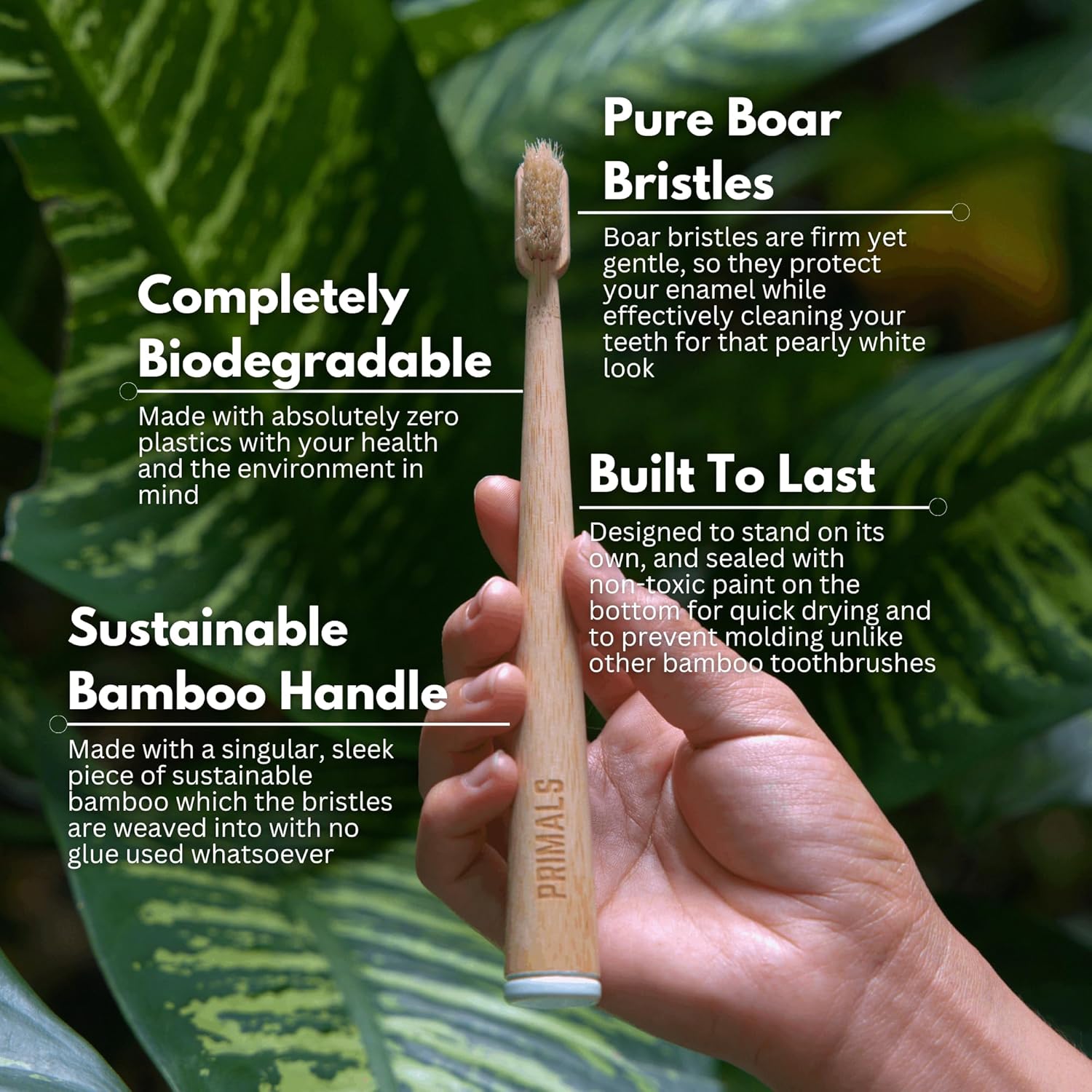
This is where the zero waste movement comes in, and it starts with simple swaps like choosing a compostable bamboo toothbrush. Unlike plastic alternatives, bamboo handles can naturally decompose in as little as six months when composted properly. The handle returns to the earth, nourishing the soil rather than poisoning it for centuries.
The Environmental Impact at a Glance:
- Plastic toothbrushes contribute approximately 50 million pounds of waste annually in the US alone
- Ocean cleanup efforts regularly find toothbrushes among the top 10 most collected items on beaches
- Microplastics from degraded toothbrushes have been found in 83% of the world’s tap water
- The production of plastic toothbrushes releases significant carbon emissions and requires petroleum-based resources
Making the switch to a “biodegradable toothbrush” isn’t about being perfect—it’s about being conscious. It’s about recognizing that our daily choices matter, especially when those choices affect the world our children will inherit.
Plastic-Free Oral Care: What Makes Bamboo the Superior Choice
You might be wondering, “Why bamboo specifically? Why not wood or other materials?” Great question! Bamboo isn’t just randomly selected as the go-to material for sustainable toothbrushes—it’s actually one of nature’s most remarkable superplants.
Bamboo is technically a grass, not a tree, and it grows at an astonishing rate. Some species can grow up to 35 inches in a single day—yes, you read that correctly, per day! This incredible growth rate means bamboo is one of the most renewable resources on the planet. Unlike hardwood trees that take decades to mature, Moso bamboo (the type most commonly used for toothbrushes) reaches harvestable maturity in just 3-5 years.
But here’s where it gets even better: bamboo doesn’t require replanting after harvest. When you cut bamboo, it regenerates from its own root system, sending up new shoots without the need for human intervention. It also requires no pesticides or fertilizers to thrive, and it naturally consumes more carbon dioxide and produces more oxygen than trees—up to 35% more, in fact.
Natural Advantages of Bamboo:
- Antimicrobial properties: Bamboo naturally contains an antimicrobial bio-agent called “bamboo kun” that helps prevent bacteria growth on the handle
- Water-resistant: Despite being plant-based, bamboo has natural water-repelling properties that make it ideal for bathroom environments
- Durability: FSC-certified bamboo is surprisingly strong—it has a higher tensile strength than steel and rivals the compressive strength of concrete
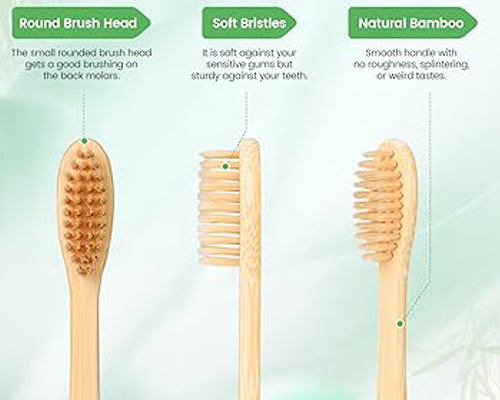
- Lightweight yet sturdy: The hollow structure of bamboo makes toothbrushes comfortable to hold while maintaining structural integrity
When you choose organic bamboo handle toothbrushes, you’re selecting a material that’s been used sustainably by humans for thousands of years. Ancient civilizations in Asia understood what modern science is now confirming: bamboo is one of nature’s perfect materials.
The shift to plastic-free dental care using bamboo also addresses another critical concern—chemical exposure. Traditional plastic toothbrushes can contain BPA (Bisphenol A) and other potentially harmful chemicals that may leach over time, especially when exposed to hot water. BPA-free toothbrush options made from bamboo eliminate this concern entirely, giving you peace of mind every time you brush.
Natural Toothbrush Alternatives: Exploring Bristle Options and Materials
Now, let’s address the elephant in the room: What about the bristles? This is where choosing the right bamboo toothbrush requires a bit of knowledge.
Most bamboo toothbrushes on the market today come with one of three bristle types: nylon-6 (BPA-free plastic), plant-based nylon, or animal hair (boar bristles). Each has its pros and cons, and understanding them helps you make an informed decision.
Nylon-6 Bristles: These are the most common and are made from BPA-free nylon. While the handle is biodegradable, these bristles are not. However, they’re recyclable and offer the same cleaning effectiveness as traditional toothbrush bristles. Many users prefer these because they most closely replicate the brushing experience they’re accustomed to. The key is to remove the bristles with pliers before composting the handle.
Plant-Based Bristles: Made from castor bean oil bristles or other plant derivatives, these are the holy grail for zero-waste enthusiasts. The entire toothbrush—handle and bristles—can be composted. However, they tend to be softer and may wear out slightly faster than nylon alternatives. They’re perfect for those with sensitive gums or those committed to 100% compostability.
Charcoal-Infused Bristles: A newer innovation combines nylon with activated charcoal from bamboo. These bristles offer natural whitening properties and enhanced antibacterial benefits. The charcoal helps absorb impurities and can contribute to fresher breath.
When selecting your natural toothbrush alternative, consider your dental needs. Do you have sensitive gums? Plant-based bristles might be your best bet. Looking for maximum sustainability? Choose bristles made from castor bean oil. Want familiarity with added benefits? Charcoal-infused options could be perfect.
Making the Right Choice for Your Family:
- For children: Opt for softer plant-based bristles that are gentle on developing teeth and gums
- For adults with healthy gums: Medium firmness nylon-6 bristles provide effective cleaning
- For sensitive teeth: Extra-soft plant-based or nylon bristles prevent gum irritation
- For whitening benefits: Charcoal-infused bristles offer natural stain removal
Remember, the goal isn’t perfection—it’s progress. Even if you choose a bamboo toothbrush with nylon bristles that aren’t fully compostable, you’re still preventing a completely plastic toothbrush from entering the waste stream. You’re reducing your environmental impact by approximately 90%, which is absolutely worth celebrating.
Sustainable Oral Hygiene Products: Beyond the Toothbrush
Here’s something exciting: once you make the switch to a “sustainable toothbrush,” you’ll likely find yourself looking at other areas of your oral care routine with fresh eyes. The journey toward sustainable oral hygiene is about creating a holistic approach to dental care that benefits both your health and the planet.
Let’s talk about the complete picture of eco-conscious oral care:
Toothpaste Tablets: These small, chewable tablets eliminate the need for plastic toothpaste tubes (which, by the way, are notoriously difficult to recycle). You simply pop one in your mouth, chew it up, and brush with a wet toothbrush. They’re perfect for travel, contain no water (making them more concentrated and effective), and often come in compostable packaging.
Silk Dental Floss: Traditional dental floss is made from nylon and comes in plastic containers. Sustainable alternatives use natural silk or bamboo fiber floss that’s biodegradable and often comes in refillable glass containers. The floss is coated with plant-based wax instead of petroleum-based alternatives.
Bamboo Cotton Swabs: While we’re transforming your bathroom, consider replacing plastic cotton swabs with bamboo alternatives. They work identically but decompose naturally.
Tongue Scrapers: Stainless steel or copper tongue scrapers last a lifetime and are far superior to plastic alternatives. This ancient Ayurvedic practice removes bacteria and improves breath better than brushing alone.
Creating a complete circular economy oral care routine means thinking about every product you use. Here’s what a fully sustainable bathroom oral care setup might look like:
- Morning routine: Bamboo toothbrush + toothpaste tablets + tongue scraper
- Throughout the day: Refillable silk floss + natural mouthwash in glass bottle
- Evening routine: Same sustainable products
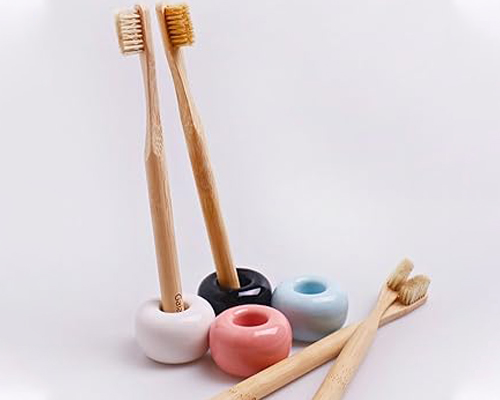
- Storage: Bamboo toothbrush holder + glass containers
The beauty of this approach is that once you invest in these sustainable oral hygiene products, many of them last for years (like tongue scrapers and floss containers), making them more economical in the long run despite potentially higher upfront costs.
Eco-Friendly Dental Care: Health Benefits You Need to Know
Let’s shift gears and talk about something that might surprise you: bamboo toothbrushes aren’t just better for the environment—they’re often better for your health too.
Traditional plastic toothbrushes can harbor bacteria in microscopic scratches that form on the plastic over time. Studies have shown that plastic toothbrushes can accumulate millions of bacteria, including potentially harmful strains like E. coli and Staphylococcus. This happens because plastic is porous at a microscopic level and moisture gets trapped in these tiny spaces.
Bamboo, on the other hand, has natural antimicrobial properties. The bamboo kun I mentioned earlier isn’t just marketing hype—it’s real science. Research has demonstrated that bamboo naturally resists bacterial growth, meaning your toothbrush stays cleaner between uses. This is particularly important for families with young children who might not always rinse their toothbrushes as thoroughly as they should.
Chemical-Free Dental Products and Your Health:
When we talk about chemical-free dental products, we’re addressing a growing concern about the long-term effects of chemical exposure from everyday items. BPA, found in many plastic products, is an endocrine disruptor that can interfere with hormonal systems in the body. While the amount of BPA in a single toothbrush might be minimal, we’re exposed to this chemical from multiple sources throughout the day—water bottles, food containers, receipts, and yes, toothbrushes.
By choosing non-toxic oral care products made from bamboo, you eliminate one more source of potential chemical exposure. This is especially crucial for:
- Pregnant women: Reducing chemical exposure during pregnancy supports healthy fetal development
- Young children: Developing bodies are more vulnerable to endocrine disruptors
- People with autoimmune conditions: Reducing toxic load can help manage symptoms
- Anyone concerned about long-term health: Prevention is always better than treatment
Beyond BPA, bamboo toothbrushes with plant-based bristles eliminate exposure to other potentially problematic chemicals used in plastic manufacturing, including phthalates and various stabilizers.
The Oral Microbiome Connection:
Recent research has revealed that our mouths contain a complex ecosystem of bacteria—some beneficial, some harmful. The products we use in our mouths can affect this delicate balance. Natural, chemical-free bamboo toothbrushes paired with natural toothpaste options help maintain a healthier oral microbiome because they don’t introduce synthetic chemicals that might disrupt beneficial bacteria.
A healthy oral microbiome has been linked to:
- Better overall immune function
- Reduced risk of cavities and gum disease
- Improved digestive health
- Even cardiovascular health (surprising but true!)
Compostable Bamboo Toothbrush: Proper Disposal and End-of-Life Care
Alright, you’ve made the switch to a “biodegradable toothbrush”—congratulations! But now what? How do you actually dispose of it properly to maximize its environmental benefits? This is where the rubber meets the road (or rather, where the bamboo meets the compost).
Step-by-Step Disposal Guide:
Step 1: Remove the Bristles If your bamboo toothbrush has nylon bristles, you’ll need to remove them before composting the handle. Here’s how:
- Use pliers to grip the bristles firmly at the base
- Pull straight out with steady pressure (they usually come out in one clump)
- Alternatively, some toothbrushes have removable brush heads designed for easy bristle removal
- The removed nylon bristles can be recycled with plastic #6 or #7 (check your local recycling guidelines)
Step 2: Composting the Bamboo Handle
- Break or cut the handle into smaller pieces to speed up decomposition
- Add to your home compost bin (if you have one)
- Mix with other brown materials like leaves or shredded paper
- In proper composting conditions, the handle will break down in 4-6 months
- If you don’t compost, many cities now have municipal composting programs that accept bamboo products
Step 3: Creative Upcycling (Before Composting) Before you toss that handle, consider giving it a second life:
- Plant markers: Write plant names on the handle and stick them in your garden
- Craft stirrers: Perfect for mixing paint or small DIY projects
- Cleaning tools: The handle makes an excellent tool for cleaning grout or tight spaces
- Kids’ crafts: Let children create art projects or build structures
- Stake for seedlings: Help small plants grow straight
Understanding Compostable Packaging:
The sustainability story doesn’t end with the toothbrush itself. Look for brands that package their products in compostable materials. The best companies use:
- Recycled cardboard boxes printed with soy-based ink
- Compostable cornstarch bags instead of plastic wrapping
- Paper tape instead of plastic tape
- No plastic windows or embellishments
When every element of the product—from the toothbrush to its packaging—can return to the earth, you’ve achieved true circular economy oral care. Nothing goes to waste; everything becomes a resource for something else.
Common Composting Mistakes to Avoid:
❌ Don’t compost bamboo toothbrushes with nylon bristles still attached ❌ Don’t expect bamboo to decompose in landfills (lack of oxygen prevents proper breakdown) ❌ Don’t throw bamboo toothbrushes in regular recycling bins (they contaminate the recycling stream) ❌ Don’t assume all “biodegradable” claims mean the same thing (some products only break down in industrial composting facilities)
✅ Do remove bristles before composting ✅ Do break the handle into smaller pieces ✅ Do add to active compost with proper moisture and air ✅ Do verify disposal claims with the manufacturer
Sustainable Personal Care Products: Making the Switch as a Family
Now let’s talk about the human side of this transition—because let’s be honest, change can be challenging, especially when it involves breaking habits we’ve had for decades or convincing family members (particularly kids) to try something new.
I get it. That plastic toothbrush has been your faithful companion through thousands of brushing sessions. It’s familiar. It’s comfortable. But here’s the beautiful thing about sustainable personal care products: they work just as well (often better) than their conventional counterparts, and the transition is easier than you might think.
Introducing Bamboo Toothbrushes to Children:
Kids are actually some of the most enthusiastic adopters of eco-friendly practices—when you present it the right way. Here’s how to make the switch exciting for young ones:
Turn it into a story: “See this special toothbrush? It grew from the ground, just like the plants in our garden! When you’re done using it, we can put it back in the ground and it will help new plants grow.”
Let them choose: Many brands offer bamboo toothbrushes in fun colors (using natural, food-grade dyes) or with different handle designs. When kids feel ownership over their choice, they’re more invested in using it.
Make it a mission: Frame the switch as joining a team of Earth heroes. Kids love feeling like they’re part of something bigger. You might say, “We’re joining millions of families around the world who are helping keep our oceans clean for sea turtles and dolphins!”
Create a transition timeline: Rather than switching everyone’s toothbrush at once (which can feel wasteful), wait until each person’s current toothbrush needs replacing, then upgrade to bamboo. This teaches patience and resourcefulness.
The Teenager Challenge:
Teens can be trickier because they’re often skeptical of anything that seems “trendy” or that their parents are pushing. The key is appealing to their values:
- Social currency: Show them influencers and celebrities who use sustainable products
- Aesthetic appeal: Bamboo toothbrushes photograph beautifully—perfect for that #aestheticbathroom content
- Independence: Frame it as making their own informed choices about the products they use
- Future focus: Connect it to the world they’ll be inheriting and their power to shape it
Cost Considerations:
Let’s address the elephant in the bathroom: “Are bamboo toothbrushes more expensive?” Initially, yes—by about $2-4 per toothbrush compared to basic plastic options. However:
- Many brands offer family packs with significant per-unit discounts
- The quality often means they last the full recommended 3 months (plastic toothbrushes often get replaced sooner)
- You can find subscription services that deliver toothbrushes every 3 months at reduced prices
- The environmental and health benefits provide immeasurable value
- As demand increases, prices continue to decrease
Budget-Friendly Tips:
- Start with just one family member and expand gradually
- Look for sales during Earth Day, World Oceans Day, or holidays
- Check if your dentist offers eco-friendly options (some are starting to!)
- Buy in bulk with friends or family to split costs
- Remember that spending a few extra dollars now saves healthcare and environmental costs later
Environmental Impact of Plastic Toothbrushes: The Bigger Picture
Sometimes, to truly appreciate why we’re making a change, we need to understand the full scope of the problem we’re solving. Let’s zoom out and look at the bigger picture of marine-friendly toothbrush choices and their impact on our planet.
The Ocean Crisis:
Every minute, the equivalent of one garbage truck full of plastic enters our oceans. Yes, every single minute of every single day. Toothbrushes are a significant part of this problem. They’re found on beaches worldwide during cleanup efforts, and their small size means they’re easily consumed by marine life who mistake them for food.
Sea turtles, whales, dolphins, and seabirds have been found with plastic toothbrushes in their stomachs. These items can’t be digested, leading to starvation as the animals feel “full” but receive no nutrition. The handles break down into microplastics that are consumed by fish—fish that may end up on our dinner plates, completing a toxic cycle.
By choosing renewable resource toothbrush options, you’re directly reducing demand for plastic production and preventing these items from entering marine ecosystems.
The Carbon Footprint Comparison:
Let’s look at the numbers:
Plastic Toothbrush Production:
- Requires petroleum extraction and refining
- Manufacturing produces approximately 1.5 kg of CO2 per toothbrush
- Transportation (often from overseas) adds to carbon emissions
- Never biodegrades, requiring perpetual landfill space
- Recycling is rarely possible due to mixed materials
Bamboo Toothbrush Production:
- Bamboo absorbs CO2 while growing (carbon-negative crop)
- Manufacturing produces approximately 0.3 kg of CO2 per toothbrush
- Often produced closer to raw material sources
- Biodegrades naturally, returning nutrients to soil
- Handle is fully compostable
Over a lifetime of toothbrush use (approximately 300 toothbrushes), switching to bamboo prevents roughly 360 kg of CO2 emissions—equivalent to driving 900 miles in an average car.
Ripple Effects of Your Choice:
When you choose ethical manufacturing practices and green dental hygiene products, you’re voting with your wallet. Companies notice. As consumer demand for sustainable options increases:
- More companies invest in eco-friendly alternatives
- Prices decrease due to economies of scale
- Innovation accelerates (better bristle options, improved designs)
- Traditional plastic toothbrush manufacturers are forced to adapt
- Retailers dedicate more shelf space to sustainable options
Your individual choice, multiplied by millions of conscious consumers, creates a tidal wave of positive change. This is how movements start—one person, one toothbrush, one decision at a time.
Making It Last: Care Tips for Your Bamboo Toothbrush
You’ve invested in a quality “eco-friendly toothbrush”—now let’s make sure it serves you well for its entire 3-month lifespan. Proper care not only ensures optimal oral hygiene but also maximizes the environmental benefits of your choice.
Daily Care Routine:
- Rinse thoroughly: After each use, rinse your bamboo toothbrush under running water to remove all toothpaste and debris. Give it a gentle shake to remove excess water.
- Store upright: Always store your toothbrush upright in a holder that allows air circulation. Unlike plastic, bamboo needs to dry completely between uses to maintain its antimicrobial properties and prevent any potential mildew.
- Keep it dry: Avoid storing bamboo toothbrushes in closed containers or medicine cabinets where moisture can accumulate. A well-ventilated area is best.
- Separate storage: Make sure family members’ toothbrushes aren’t touching each other in the holder. This prevents cross-contamination and allows each brush to dry properly.
Weekly Maintenance:
Once a week, give your toothbrush a deeper clean:
- Soak the bristles in hydrogen peroxide for 5 minutes
- Or create a solution of 1 part vinegar to 2 parts water and soak for 10 minutes
- Rinse thoroughly afterward and allow to air dry completely
What to Avoid:
❌ Don’t leave your bamboo toothbrush sitting in water or in a wet cup
❌ Don’t put it in the dishwasher (the high heat can damage the bamboo)
❌ Don’t use boiling water to clean it (this can warp the handle)
❌ Don’t store it immediately in a travel case while still wet (allow it to dry first)
Travel Tips:
Bamboo toothbrushes are perfect for travel, but they require a bit more consideration than plastic:
- Use a breathable travel case rather than sealed plastic tubes
- Allow your toothbrush to dry completely before packing
- Consider bringing two—use one while the other dries
- Look for travel cases made from sustainable materials like wheat straw or bamboo fiber
The Future of Oral Care: Where We’re Headed
As we wrap up this comprehensive guide, let’s look forward to where the sustainable oral care movement is heading. The innovations happening right now are truly exciting.
Emerging Technologies:
- 3D-printed custom bamboo toothbrushes: Companies are developing technology to create toothbrushes perfectly fitted to your mouth and teeth alignment
- Enzymatic bristles: New plant-based bristles that release natural enzymes to break down plaque more effectively
- Replaceable brush heads: Bamboo handles with detachable heads reduce waste even further
- Smart sustainable toothbrushes: Combining technology with sustainability through rechargeable electric toothbrushes with bamboo components
Industry Transformation:
Major oral care companies are finally responding to consumer demand. Traditional brands that once offered only plastic options are now developing sustainable lines. This mainstream adoption is crucial because it:
- Makes sustainable options available in more locations
- Drives prices down through mass production
- Normalizes eco-friendly choices
- Puts pressure on remaining holdouts to adapt
Your Role in This Movement:
Every time you purchase a “sustainable toothbrush,” you’re not just making a personal choice—you’re participating in a global movement toward environmental responsibility. You’re teaching your children that small actions matter. You’re supporting companies that prioritize planet over profit. You’re demonstrating that sustainability and quality aren’t mutually exclusive.
Final Thoughts: Your Journey Starts Here
Switching to natural bamboo toothbrushes is more than just swapping one product for another—it’s an awakening to the power of conscious consumerism. It’s recognizing that every product we invite into our homes carries a story: where it came from, how it was made, and where it will go when we’re done with it.
The story of a “bamboo toothbrush” is beautiful in its simplicity: it grows from the earth, serves you faithfully, and returns to the earth, completing a perfect circle of life. No 400-year legacy of waste. No microplastics infiltrating food chains. No guilt about what you’re leaving behind.
As you stand in your bathroom tomorrow morning, toothbrush in hand, remember this: you’re not just brushing your teeth. You’re voting for the kind of world you want to live in. You’re modeling values for your children. You’re joining millions of people worldwide who believe that small changes, multiplied by millions, can transform our planet.
The shift to landfill waste reduction through simple swaps like bamboo toothbrushes proves that living sustainably doesn’t require dramatic lifestyle overhauls. It just requires awareness, intention, and a willingness to try something new.
Your journey toward eco-conscious lifestyle choices starts with a single decision. Why not let it start today, with something as simple—yet profound—as the toothbrush you use twice a day?
The planet your children will inherit depends on the choices you make today. And today, you have the power to choose better.
Welcome to the bamboo revolution. Your smile—and the earth—will thank you.
Ready to make the switch? Here’s your action plan:
✓ Finish using your current toothbrush (waste nothing!)
✓ Research brands that align with your values (FSC-certified, ethical manufacturing, compostable packaging)
✓ Choose bristle type based on your dental needs
✓ Order your first bamboo toothbrush (or a family pack)
✓ Set up a proper drying station in your bathroom
✓ Mark your calendar for 3 months from now to order a replacement
✓ Share this knowledge with friends and family
✓ Compost your bamboo handle when the time comes ✓ Celebrate being part of the solution!
Remember: perfection isn’t the goal. Progress is. Every sustainable choice matters. Every toothbrush makes a difference. You’ve got this.

Breaking Free from Toothpaste Tubes: Advantages of Toothpaste Tablets for Sustainable Oral Care Solutions!!!